





In spring, many of us have our minds set on cleansing and detoxing our bodies and homes after a long winter of being inside and enjoying the hardier, cozier parts of the winter season.
As the days lengthen and the weather warms, we often lighten our loads by eating fresher food, foraging for spring herbs — most of which tend to assist with cleansing and detoxing the body, and giving our homes a good clean and get rid of things that no longer serve us.
In this article, I want to speak to the idea of cleansing and detoxification when it comes to herbs, and we’ll explore ways herbs can assist us with our toxic load.
The Three Functions of Herbs
According to herbalist Michael Tierra of the East West School of Herbal Medicine, herbs serve three general functions within the body.
- They help maintain the body’s health through stimulating and relaxing physiological and energetic functions in the body.
- They help build the tissues and organs of the body by nourishing, strengthening, and toning them.
- They open channels of elimination so the body can effectively remove toxins.
It’s essential to learn about and understand these functions to use herbs well. This way, the herbal formulas you use are effective and produce the results you want.
In this article, we’re going to focus on the third function of herbs — elimination.
We’ll look at the four channels of elimination (and two others that provide help manage our toxic load) within the body, learning what they are and how they work. We will talk about some herbal actions and preparations that are associated with each channel. I’ll also share a few herbs that are used for each channel as well. Lastly, I’ll share how to apply what you’ve learned about these channels to your herbal practice.
The Four Channels of Elimination
There are four primary channels of elimination in the body — the bowels, kidneys, skin, and lungs.
Occasionally included in this list are two more channels — the liver and lymph — but they aren’t proper channels of elimination as they don’t technically eliminate toxins from the body. However, they do help us with our toxic load, so we’re going to talk about them as well.
Let’s first look at the liver and lymph and how it helps with the body’s toxic load, and then we’ll dive into the four channels of elimination.
Liver
The liver plays a key role when it comes to metabolic functions in the body. All blood passes through the liver, where it is filtered. Nutrients are extracted, stored, and later transported to various tissues within the body. Toxins are converted into harmless water-soluble substances and then released from the body through other channels of elimination. Fat-soluble toxins, not easily converted into harmless substances, continue to circulate through the blood. The body then stores these toxins in fat cells, including brain cells, so they aren’t continuously circulating in the bloodstream. These types of fat-soluble toxins come in the form of heavy metals, pesticides, preservatives, food additives, pollutants, etc.
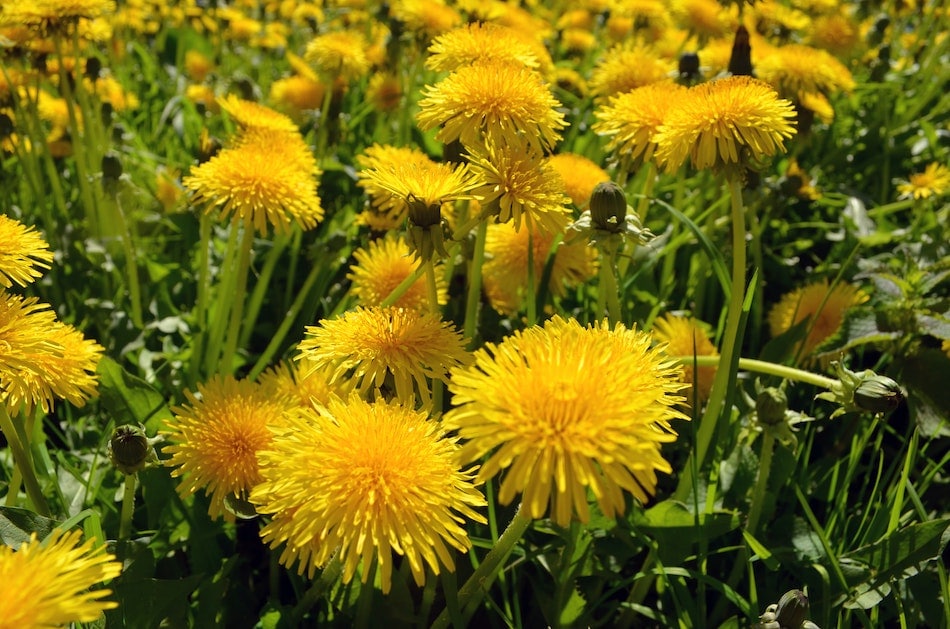
The primary category of herbs associated with the liver is hepatic herbs. Hepatic herbs consist of several herbal actions that support the liver and its function, such as bitters, cholagogues, and liver tonics. These herbs help to strengthen and stimulate the liver so it can do its job well. Dandelion (Taraxacum officinalis) root, milk thistle (Silybum marianum), and artichoke (Cynara scolymus) are all examples of these types of herbs.
Common preparations for hepatic herbs include infusions, tinctures, and powdered preparations, such as pastilles and capsules.
Lymph
Another vital body system that plays a pivotal role in the toxic load is the lymphatic system. This system serves each of the other channels of elimination by picking up toxins and waste products and delivering them to the channels of elimination.
As you can imagine, it’s a good idea to have this system in good working order.
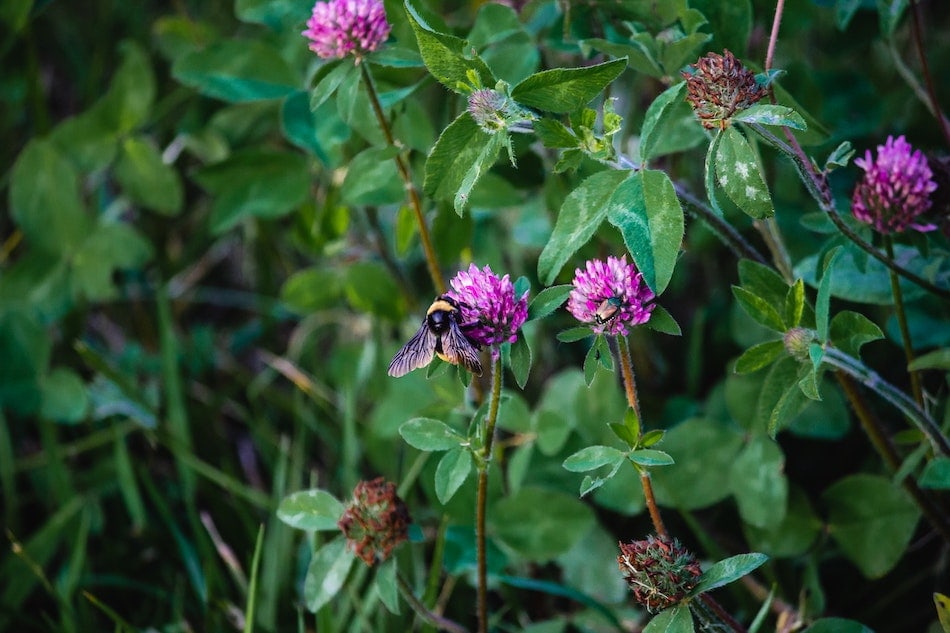
The primary category of herbs associated with the lymph is lymphatic herbs. These herbs help keep the lymph flowing in the body. Thus waste products are continually removed from the body, and it is all the healthier for it. Some examples of lymphatic herbs are calendula (Calendula officinalis), cleavers (Galium aparine), and red clover (Trifolium pratense).
Common herbal preparations for lymphatics are infusions and tinctures.
Now we come to the primary channels of elimination.
Bowels
The bowels play a primary role in eliminating toxins from the body. First, the small intestine works to separate useful nutrients from useless substances. Useful substances are absorbed into the bloodstream and transported to the liver for metabolism. The useless substances are eventually eliminated from the body once they make their way through the remainder of the gastrointestinal tract. However, if elimination is slow or there is damage to the lining of the gut wall, toxins can remain in the bowels for long periods and be absorbed into the bloodstream.
Primary herbal actions associated with this channel of elimination include emetics and laxatives.
Emetics are herbs that work on the upper gastrointestinal tract and induce vomiting to purge toxins from the body. Examples of emetics are lobelia (Lobelia inflata), elder (Sambucus spp.) bark, ipecac (Cephaelis ipecacuahana). In cases of poisoning, emetic use used to be the go-to remedy. However, emetics aren’t commonly used in modern times since, in some cases, it is worse for the body and tissues when vomiting up the poison. Instead, it is better to go to the hospital and have the stomach pumped to remove the toxin.
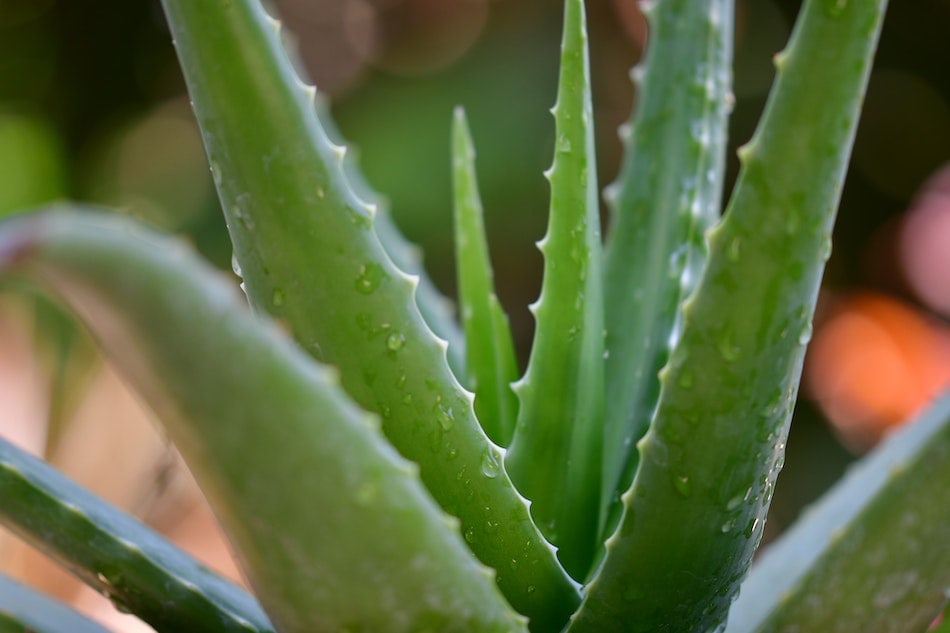
Laxatives are herbs that work on the lower gastrointestinal tract and either stimulate peristalsis, lubricate the mucous membranes, or add bulk to the stool — all of which assist waste products in the bowels to move along. Some herbs that fall into this category are cascara sagrada (Rhamnus purshiana) bark, licorice (Glycyrrhiza glabra) root, aloe (Aloe vera) skin, and psyllium (Plantagospp.) seed. More often than not, a combination of all three types of laxatives works to make a bowel tonic. This tonic is not only effective in removing waste, but it is also nourishing and strengthening to the overall tissues when appropriately used.
Common preparations for these types of herbs include infusions and tinctures.
Kidneys
The kidneys are another important site of waste removal in the body. The kidneys act as a filter similar to the liver and small intestines, removing nutrients, other essential products, and useless waste from the blood. Useful products return to the bloodstream, and waste is excreting through the urine.
The primary herbal action associated with this channel of elimination is diuretics.
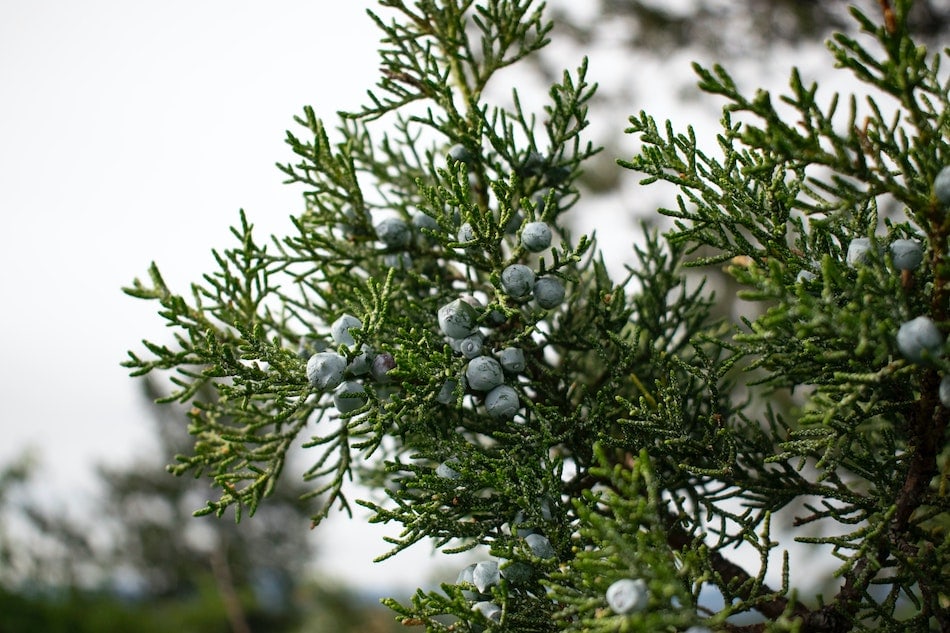
Diuretics are herbs that increase urine output. This action can help promote the removal of waste from the body, but it can also help regulate the water balance in the body. Herbs such as horsetail (Equisetum arvense), cleavers (Galium aparine), corn (Zea mays) silk, dandelion (Taraxacum officinale) leaf, and juniper (Juniperus spp.) berries are all examples of diuretic herbs.
Common preparations for these herbs include infusions, tinctures, and powders.
Skin

Many people don’t recognize the skin as an eliminatory organ, but it is. In fact, it’s the largest of all the channels of elimination! It’s even said to be one of the fastest as well.
The skin eliminates toxins from the body through its pores via sweat and oil. The skin is highly vascular and contains lymph channels as well. Because of this, it’s essential to keep the skin clean and the pores open so that toxin removal can occur.
The primary herbal action associated with this channel of elimination is diaphoretic herbs. These herbs work in two ways. They either relax the tiny muscles of the skin so the pores can open, or they stimulate blood flow and heat in the body so the pores will open.
Relaxing diaphoretic herbs are catnip (Nepeta cataria), chamomile (Matricaria chamomilla), and lemon balm (Melissa officinalis). Stimulating diaphoretics are ginger (Zingiber officinale), boneset (Eupatorium perfoliatum), and yarrow (Achillea millefolium).
Common herbal preparations for diaphoretic herbs are hot infusions or tinctures added to hot water.
Lungs
One of the lesser-known channels of elimination is the lungs. While the lungs act as a filter for the air we breathe in, they also release toxins as we exhale. In fact, the very air we breathe out is a toxin, as carbon dioxide is a waste product that our body can’t use.
Beyond carbon dioxide, though, our lungs also release other substances our body doesn’t need. Michael Phillips of Menssana Research revealed that volatile compounds are removed from the lungs in as little as 60 minutes after eating or drinking.
As you can imagine, keeping the tissues of the lung clean and free of contaminants can help ensure this channel of elimination is working correctly. Herbs can also help the lungs as they release toxins from the body as well.
The primary herbal action associated with this channel of elimination is expectorant herbs. Expectorant herbs help to rid the tissues of the lungs from excess mucous and other substances that are blocking them. There are three types of expectorant herbs — those that stimulate, relax, and strengthen.
Some examples of stimulating expectorant herbs are elecampane (Inula helenium), lobelia (Lobelia inflata), and hyssop (Hyssopus officinalis). Examples of relaxing expectorant herbs include marshmallow (Althea officinalis), plantain (Plantago spp.), and mullein (Verbascum thapsus). And lastly, examples of strengthening expectorant herbs are licorice (Glycyrrhiza glabra), Horsetail (Equisetum arvense), and goldenseal (Hydrastis canadensis).
Common herbal preparations for expectorant herbs are infusions, teas, syrups, and powders.
Now that we’ve discussed how each of these channels of elimination work to rid toxins from the body and some types of herbs and preparations associated with each one, let’s talk about why understanding the channels of elimination is important to your herbal practice.
Putting It All Together
Whenever you face a condition, and you’d like some support from herbs, one of the first things you need to determine is which body systems or tissues are being affected by the condition.
From there, you will choose appropriate herbs to help bring that body system or those tissues back into a more balanced state.
Here is where the three functions of herbs mentioned at the beginning of this article come into play.
You see, working to bring any tissue back into a better functioning state requires all three herb functions. Thankfully, this is as easy as ABC.
- A – activate (function 1)
- B – build (function 2)
- C – cleanse (function 3)
When a body system or tissue state is out of balance and experiencing some uncomfortable symptoms, you can employ herbs that help activate that system, build and strengthen it, and cleanse it from any toxic accumulation. Sometimes all three of these things occur simultaneously, and other times you will activate and cleanse before building. It depends on the situation.
Understanding the channels of elimination is a part of the cleansing process, and in most situations, addressing cleansing comes first. The only time to delay or skip cleansing is when someone is extremely weak, as cleansing would further deplete them.
Let’s look at an example.
Addressing A Sinus Infection
If you have a sinus infection, then the primary body system affected is the respiratory system, specifically the tissues of the mucous membranes in the sinus cavities.
To bring the tissues into a more balanced state, we want to cleanse, activate, and build with the herbs we use.
Since infection is present, our primary goal is to activate and support the immune system to manage the infection. To do this, we may employ frequent immune-stimulating and antimicrobial herbs in the form of tinctures for several days. We may also inhale antimicrobial essential oils throughout the day as well, as these volatile oil essences can come into direct contact with the infected sinus tissues.
As we activate the body, we also want to cleanse it to encourage quicker recovery. We can do this in a few different ways. First, we can support the lymph channel of elimination as one of the lymphatic system’s jobs is to remove dead cells after the immune system has done its job. Not only that, but it also helps to keep inflammation and swelling in check. Both of these things are factors that apply to this situation.
Lastly, we want to make an effort to build or strengthen the tissues affected by the infection, specifically the mucous membranes in the sinus cavity. To do this, we may want to utilize astringent herbs to tighten the tissues in this space and demulcent herbs to help moisturize and soothe the tissues so they don’t get too dry.
Over time and with consistent use, these herbs can help move the tissues of the sinus cavity back into a more balanced state free from infection and, hopefully, more strengthened so they can withstand any future imbalances.
In Closing
I hope this article has helped you understand the function of herbs and the channels of elimination a bit more. This way, you can use herbs more effectively in your home.
As always, if you have any questions, don’t hesitate to ask in the comments below.
Love and light,
Meagan