


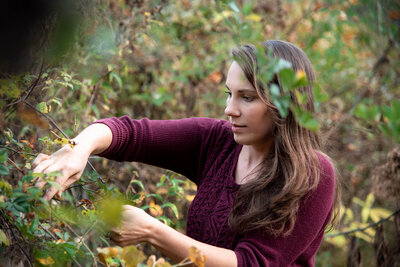
Herbalism is a never-ending field of study, and one of the areas I’ve chosen to challenge myself with over the last 2 years is foraging.
While I think foraging and cultivating herbs should be a part of every herbalist’s journey at some point, that point is different for all of us. For some, it’s the thing that gets us started on our plant journey, and for others, it falls into place as we’re walking along our path.
When you do find yourself ready for this particular area of focus, one of the first things you may find yourself wondering is what kind of supplies you’ll need to have on hand when foraging herbs, so today, I want to share a simple forager’s supply list with you.
This list will help you to get started, and over time, as you practice and find what works for you, you may tweak this list, adding to it or paring it back, to make it just right for your needs.
Foraging Supply List
First things first — clothing.
Wear clothing that is weather and season-appropriate. I’d encourage you to wear long sleeves and pants to protect yourself from the sun, bugs, and briars. If it’s hot out, opt for lightweight fabrics. Good quality hiking boots with good tread will help you if you’ve got some climbing to do as well. And don’t forget to bring some gardening gloves and bug spray/bug oil either!
Next, plant identification books.
It’s always a good idea to have a set of plant identification books specific to your region on hand. You never know when you’ll need to look something up about the plant you are harvesting or a new plant you come across. Chestnut School of Herbal Medicine has a great list of regional plant identification books on their blog to help you get started!
Collection items
When it comes to actually harvesting the plants, you’ll want to have some supplies on hand to make harvesting a bit easier. Below are some suggestions for items to help you, but it really depends on what you’re harvesting.
- Sharp scissors
- Pruning shears (hand-held and long-handled) and pruning saw
- Knives (Hori-Hori, mushroom)
- Digging tools (hand shovel, short shovel, digging fork)
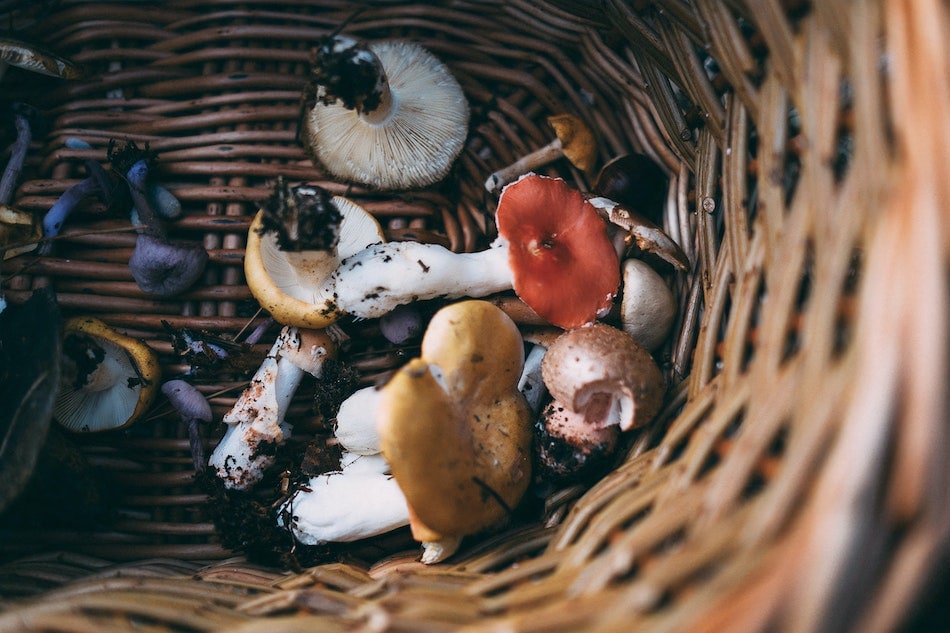
- Baskets or cloth bags for small items
- 5-gallon bucket for larger items
Keeping track
When foraging, it never fails that I find myself needing a pen and paper to write a note or thought down. Many times I find that I come across a new plant that I want to look into as well. Because of this, I’ve found it’s very helpful to have a notebook and pen as well as a camera (your phone will do!) on hand to help you keep track of things whether it’s what you’re harvesting or little notes to yourself along the way.
Preparing your harvest
Lastly, once you get home, it can be helpful to have a couple of other supplies on hand, such as a chopping knife, pruning knife, and vegetable brush, to help you take your crudely harvested plant material and turn it into something more manageable for use or storage. Barks need to be stripped and harvested, roots need to be cleaned and chopped, and tough stems and leaves need to be cut into smaller pieces. All of this will help to make your plant material ready for use or storage.
So as you can see, there are several items you’ll want to have on hand if and when you decide to make foraging for plants a part of your herbal journey.
I hope this list has helped to walk you through the foraging process from start to finish and given you some ideas on some items to stock up on without all the unnecessary extras that won’t truly serve you on your foraging trips. And as I mentioned earlier, feel free to start small and add to your supply list as you find the need for more.
If you have any questions, don’t hesitate to reach out to me via the comments below.
Love and light,
Meagan