





When it comes to living naturally, one of the biggest hurdles we face is toxins. They’re everywhere!
Our bodies are designed to break toxins down and dispose of them on a regular basis. However, it doesn’t always happen as effectively as we’d like. This can be due to the amount of toxins the body is exposed to in a short period of time. This bombardment of toxins can slow down the natural detox process. It could also be that the body isn’t functioning in a balanced state of health in the first place and, therefore, has trouble detoxing itself. It could also be that the type of toxin is a strong one and simply overwhelms the body.
You see, our bodies are meant to take in things that nourish them and make them strong, but toxins do the opposite if they aren’t cleared effectively. They bog us down and can make us
sick, even in the smallest ways. Sometimes the effects of toxins go unnoticed, but over time they can accumulate until they’re not so small anymore and you can’t help but notice them.
During the summer and fall months, one of the most common toxins people expose themselves to is bug spray.
The weather is beautiful and people want to be outdoors more. However, these are the times of the year when the bugs are out and about too. Bugs can not only be annoying, but they can carry many serious diseases as well. It’s no wonder most people want to avoid them, right?
To keep the bugs away, people often spray themselves with chemical bug sprays that have tons of toxins in them. These bug sprays are designed to repel bugs so they don’t bother you.
And yes, these bug sprays almost always work, but at what cost? What are they doing to your body? What toxins are you absorbing through your skin? What about your child? Children are more sensitive to toxins because their bodies are smaller and less experienced at dealing with strong chemicals. Now, forget about putting it on your skin. What do you think happens when someone near you sprays it on and you inhale the vapors? How do you think your lungs respond to that?
If you’re really curious about the harmful effects of chemical bug sprays check out the reference section below, but for now, I want to talk about how to go about keeping bugs away naturally.
There are foods you can eat that can help repel bugs and there are safe environmental options that can help keep bug populations down around your home as well, but this week, I want to talk about using herbs to help repel bugs naturally, specifically the herb yarrow (Achillea millefolium) aerial parts.
Yarrow: An Aromatic
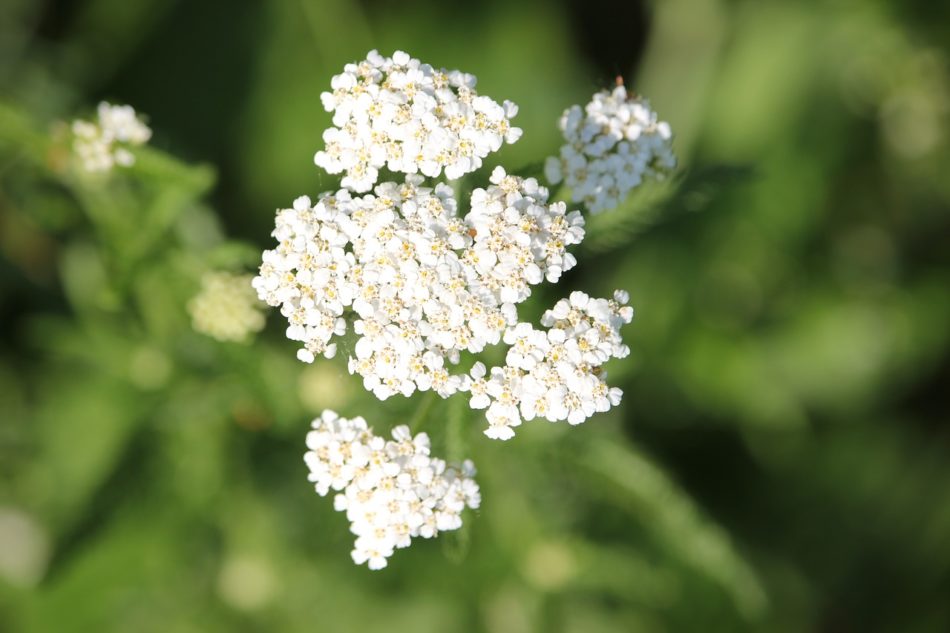
Yarrow is an aromatic herb due to its high volatile oil content. These oils are often called “essential oils” when they’re extracted from the plant material, and they give plants their particular smell.
These volatile oils do many different things for the plant in keeping it healthy and thriving, but one thing they do in particular is to attract or deter certain bugs.
The scent of a plant often attracts pollinators like bees and butterflies, but to some insects, like mosquitos, it keeps them away. This all depends on the plant and the insect, of course. Now when it comes to using yarrow to deter bugs, herbalist Susan Weed says in her book, Wise Woman Herbal, that the US Army conducted a study of yarrow and found that yarrow tincture did a better job than DEET at repelling ticks and mosquitos.
Interesting, right?
There are many ways to extract volatile oils from plant materials. Most all herbal preparations like tinctures, oils, teas, etc., have small amounts of volatile oils in them and can be used to keep bugs away. Hydrosols and essential oils have an even higher volatile oil content with essential oils being the strongest, and it’s for this reason that I like to use these when making herbal bug sprays like the one in this week’s project below.
Making An Herbal Bug Spray
Okay, so let’s move on to my absolute favorite herbal bug spray recipe
This herbal bug spray uses yarrow and some other well-known bug deterring essential oils. This spray is thought to keep flies, mosquitoes, fleas, and ticks at bay. It is most effective when sprayed on your clothes, but it must be reapplied routinely for best results. If you’re looking for an herbal bug oil to apply to your skin, come back next week for my favorite bug repelling body oil recipe.
Now before I share the recipe with you, let me share a precaution first.
Many aromatherapists agree that 100% aloe vera gel is an effective dispersing agent for essential oils. The dilutions in this blend are considered safe for topical spray application for children and pregnant women, but it’s always a good idea to check with an aromatherapist for children under 2 and during pregnancy. Please see the reference section for more info on essential oil safety for children and pregnancy. Also, use caution if you have sensitivity to plants in the Asteraceae family.
Herbal Bug Spray
Adapted from The Aromahead Institute
Ingredients::
- 2 ounces yarrow (Achillea millefolium) hydrosol (or make your own homemade version here)
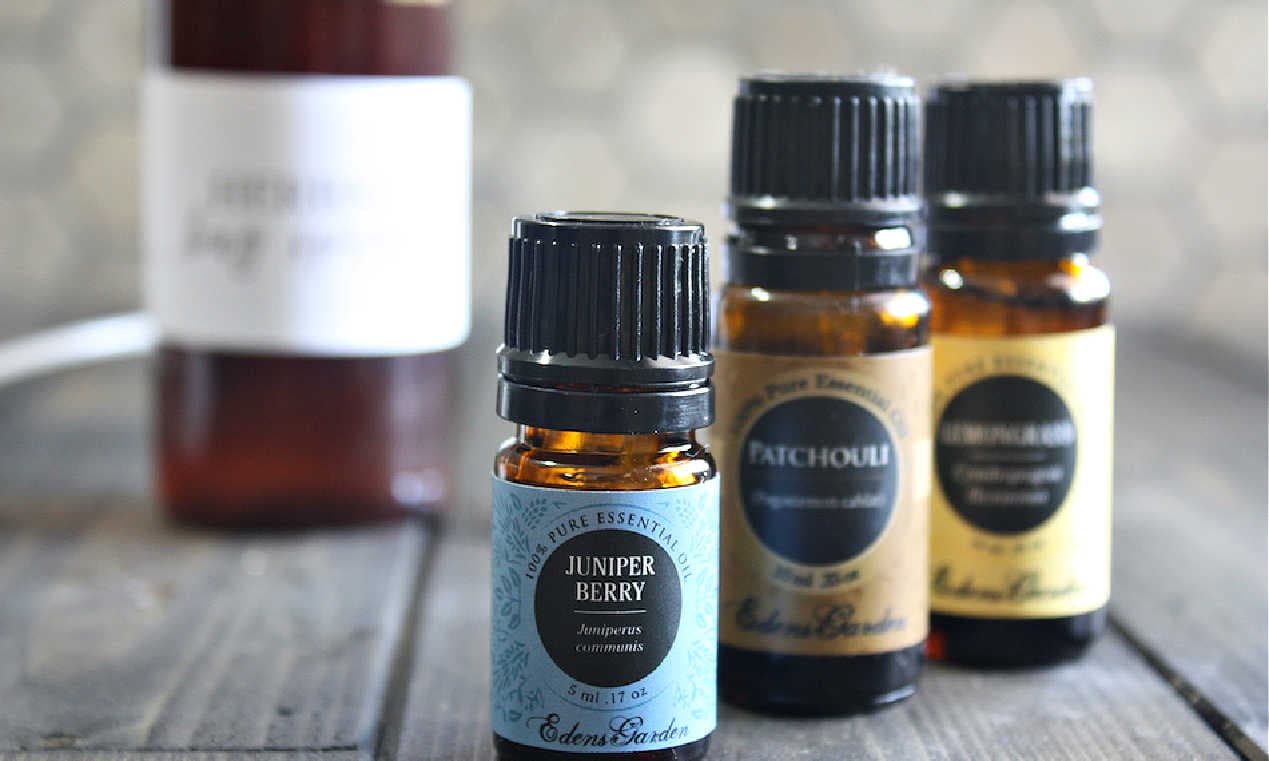
- 16 drops of patchouli essential oil (Pogostemom cablin)
- 10 drops of juniper essential oil (Juniperus communis)
- 4 drops of lemongrass essential oil (Cymbopogon citratus)
- 1 teaspoon of aloe vera gel
I purchase all of my herbs from Mountain Rose Herbs and my essential oils from Plant Therapy or Edens Garden.
Directions::
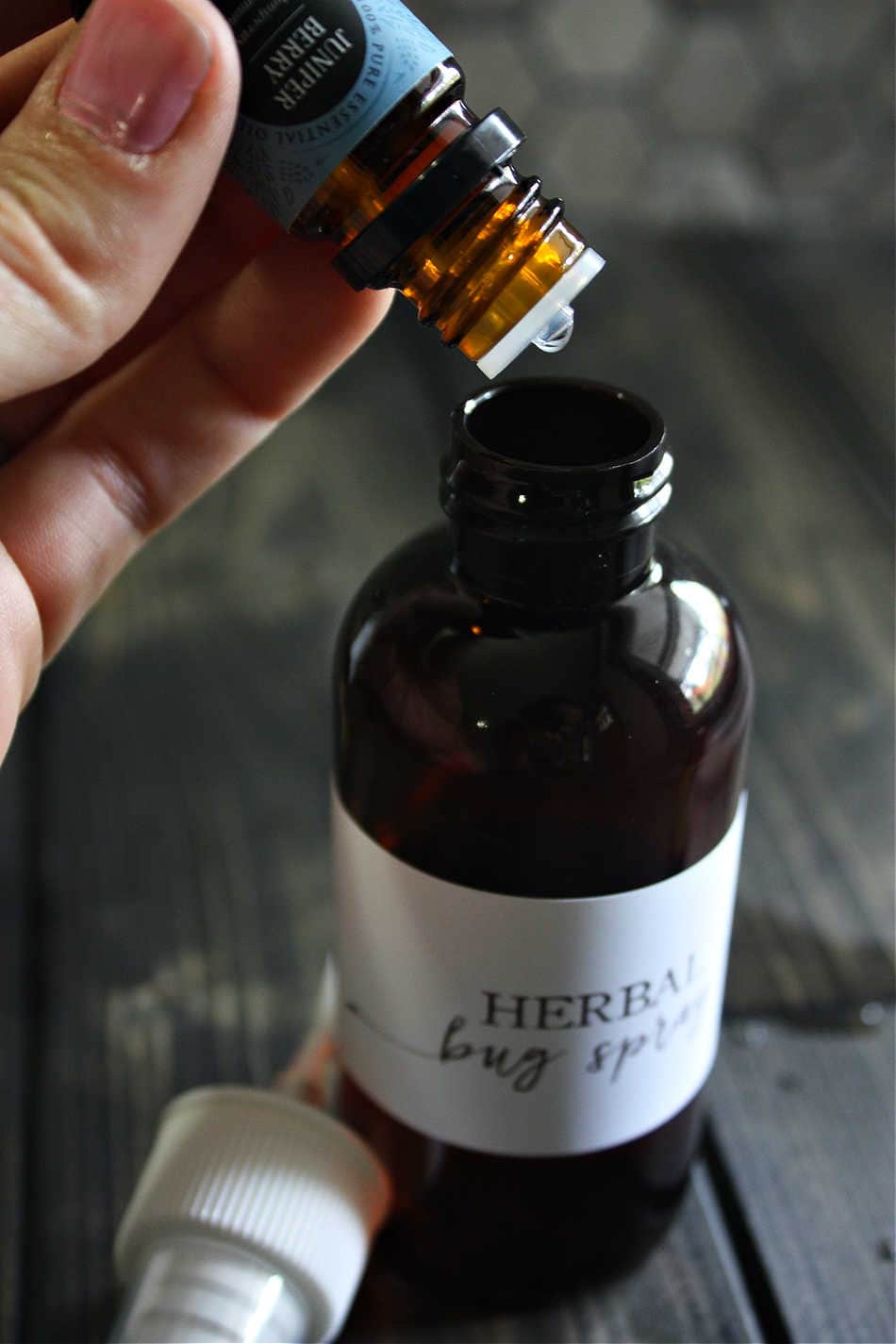
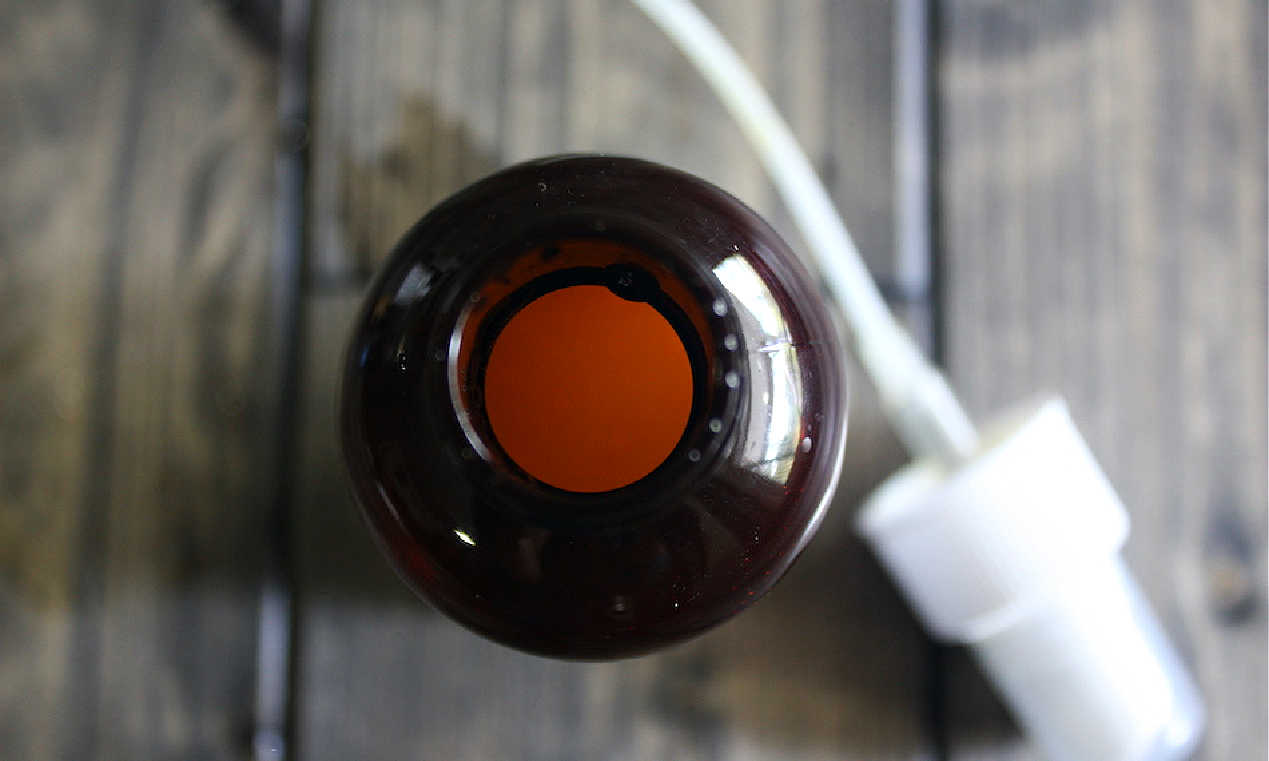
- Combine all ingredients together in a spray bottle.
- Cap, shake well before each use, and store in refrigerator when not in use.
Usage::
Spray evenly across clothing and skin. Reapply every 2 hours as needed.
If you’re in favor of minimizing harmful toxins in your life, nixing bug spray is one way to do it. Thankfully, that doesn’t mean that bugs will have the upper hand, though. Herbal bug sprays can be an effective, and pleasant, way to decrease harmful toxins and keep bugs at bay.
REFERENCES::
- Briassoulis, G., Narlioglou, M., & Hatzis, T. (2001). Toxic encephalopathy associated with use of DEET insect repellents: a case analysis of its toxicity in children [Abstract]. Human and Experimental Toxicology, 20(1), 8-14. doi:10.1191/096032701676731093
- Bug spray poisoning. (n.d.). [Blog post]. Retrieved from https://medlineplus.gov/ency/ article/002763.htm
- Butje, A. (2015). Make natural bug spray and get through summer. Retrieved from http://www.aromahead.com/blog/2015/06/29/make-natural-bug-repellent-get-summer-bite- free/
- Tisserand, R., Young, R., & Williamson, E. M. (2014). Essential oil safety: a guide for health care professionals. Edinburgh: Churchill Livingstone/Elsevier.
- Weed, S. (1989). Wise woman herbal healing wise. Woodstock, NY: Ash Tree Pub.
- Whyte, J. (2011). Does bug spray do more harm than good. Retrieved from http://www.huffingtonpost.com/john-whyte-md-mph/bug-spray-toxic_b_904501.html
- Yarrow monograph. (n.d.). Retrieved from http://herbarium.herbalacademyofne.com/monographs/#ID=1022