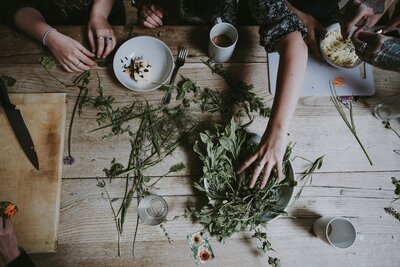
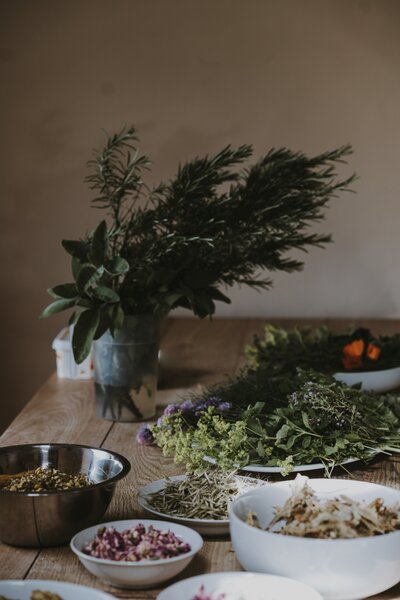




In my opinion, herb-infused oils might be one of the most underrated herbal preparations in many herbal home. As family herbalists, we often call upon herbal teas, syrups, tinctures, and essential oils first, but herbal oils are an excellent preparation that are not only easy to make but quite potent and supportive too!
What Are Herb-Infused Oils?
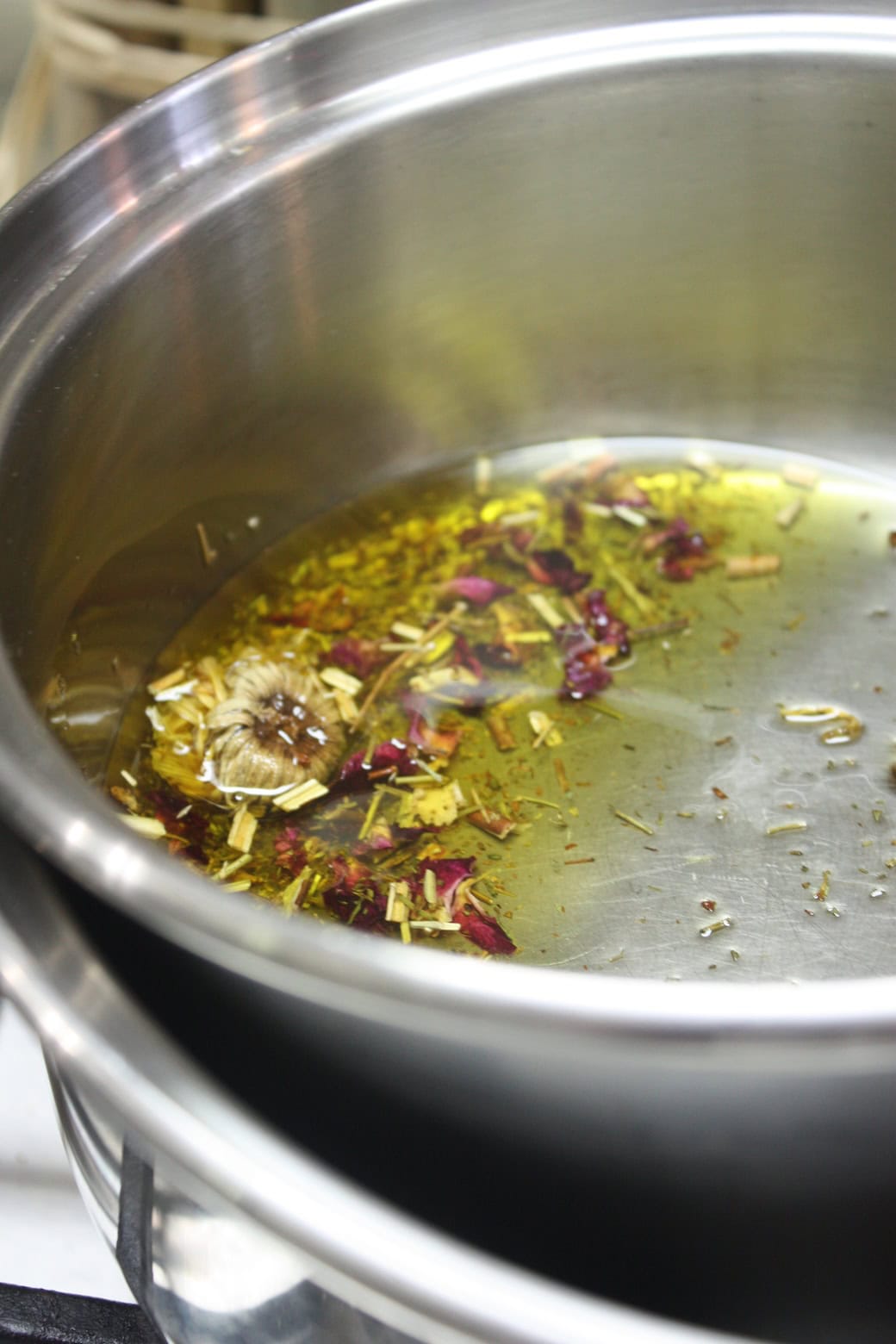
Herbal oils are made by macerating (aka, soaking) plant material in a carrier oil, such as olive, almond, coconut, sunflower, etc. oil, for a period of time. This allows the oil-soluble constituents to be pulled out of the plant material and transferred into the oil.
Herbal oils are best for external use. They can be applied directly to the skin, or they can be made into other herbal preparations like ointments, salves, and balms. You can use an herbal oil made from one herb, or you can mix oils together to create a formula.
How-To Make a Basic Herbal Oil
The easiest way to make an herbal oil is to fill a sterilized glass canning jar half full of dried plant material, pour a carrier oil of your choosing over the herbs being sure to cover them with 1 inch of oil, capping and labeling the jar, giving it a good shake and placing it in a warm, dark location (like a cabinet) for 4-6 weeks. If you can remember to shake it each day and keep it warm, your oil might be finished closer to the 4 week mark.
Some great herbs to use in herbal oils are as follows:
- Calendula – great for skin issues, eases inflammation, is antimicrobial, and stimulates tissue regeneration
- Chamomile – eases inflammation and swelling, is antimicrobial, stimulates tissue regeneration, and its scent helps calm the nerves
- Ginger – stimulates blood flow to the surface of the skin, eases inflammation, and is antimicrobial
- Peppermint – cooling to the skin, stimulates blood flow to the surface of the skin, eases inflammation and pain, helps with congestion, and is antimicrobial
- Rosemary – eases spasms and pain, helps with congestion, stimulates blood flow to the surface of the skin, eases inflammation, and is antimicrobial
- Yarrow – anti-microbial and great for cuts, scrapes, bites, and other wounds, eases inflammation and pain, helpful for spasms, stimulates tissue regeneration
Taking Herbal Oils to the Next Level
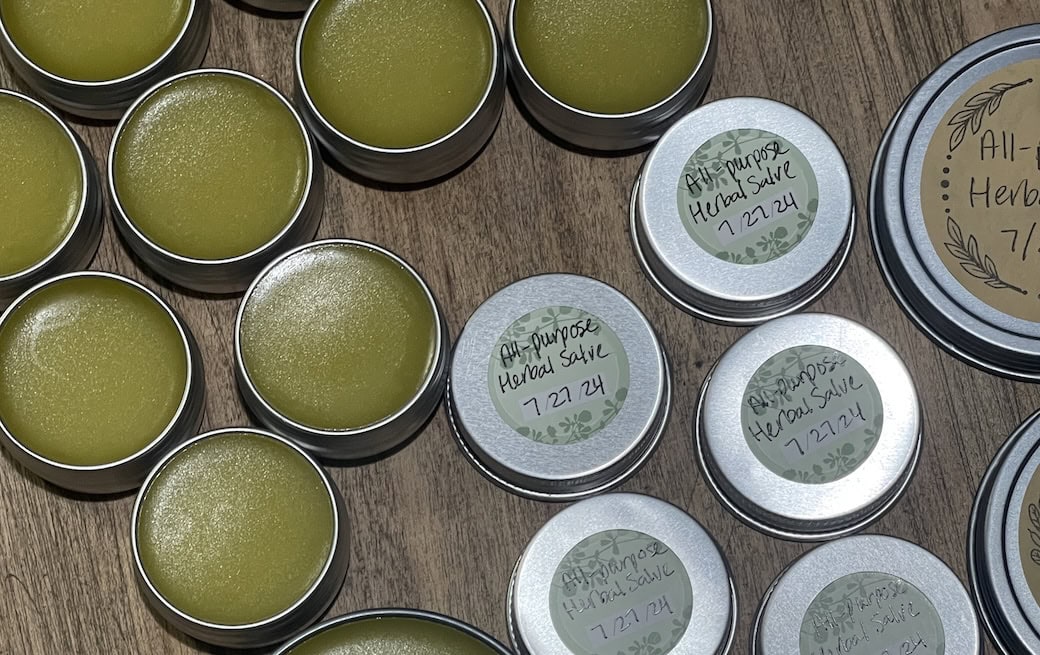
Herbal oils can be made into other preparations, such as ointments, salves, and balms, so you aren’t limited to liquid oils. These come in vary hand for a variety of purposes, and the travel a bit easier than liquid oils too.
You also aren’t limited to dried herbs only. You can use fresh herbs too, but keep in mind you risk the chance of mold developing in your finished oil unless you wilt the herbs first and use a heated maceration technique. I would say making fresh herbal oils is more of an intermediary to advanced practice.
You can also use advanced oil methods and techniques, such as the ratio method or alcohol intermediary oils, to make more potent oils. These require a bit more calculations and babysitting, but the oils they produce are strong and effective.
Herbal oils generally have a shelf life of 12 months, but this really depends on the carrier oil used, the maceration technique used, storage and usage practices, and whether additives were used to extend the shelf life. I personally try to use oils within one year’s time.
Some herbal oils can be made and used internally, but these have a very specific preparation method that should be followed to prevent bacteria growth, particularly botulism, in the final product. Oils intended for internal use are also stored differently and used more quickly.
If you want to learn more about basic and advanced herbal oil making, I’d encourage you to enroll in Herbal Academy’s Herbal Oils 101 mini course. I was one of the lead herbalist educators for this course, and it walks you through everything you need to know about this particular type of herbal preparation from start to finish and gives you lots of practical recipes to get you stared. You can also include the Making Herbal Oils Guidebook (or get it on its own) with your registration, which I’d highly recommend. I have this, and I use it all the time when making herbal oils for my home.
How the Family Herbalist Can Use Herb-Infused Oils
As a family herbalist, I find myself using herbal oils most often for things like dry skin, face serums, hair oils, wound oils, sore muscles, sprained joints, swollen or painful bug bites, fungal skin infections, chest and nasal congestion, pinched or irritated nerves, and trouble sleeping.
As you can see, that’s a lot of different uses, and I’m sure there are more if I thought about it longer. I find it helpful to keep a variety of herbal oils on hand, whether as individual herb-infused oils that I’ll mix together when needed or pre-formulated oil blends for some of our most common uses.
Now It’s Your Turn
I hope you’ve found this little introduction to herbal oils helpful and that it’s inspired you to give making herbal oils a try and incorporating them into how you care for your family.
Which herb-infused oil will you make first? What common conditions or situations do you experience that you think an herbal oils would be useful?
Let me know the answers to these questions in the comments below, and as always, if you have questions, I’m more than happy to answer.

Love and light,
Meagan
I’m currently macerating calendula & also kawakawa (a native to NZ, good for skin), to make a balm for irritated skin when they’re done.
What do you suggest for arthritis?
I love calendula infused oil. I use it in a lot of oil blends. As far as arthritis goes, I don’t really have any personal experience with it, but I know a lot of folks like warming and cooling oils for achy joints. Peppermint contains menthol and that has a cooling effect on the skin, so that could be nice. You could also go with warming oils infused with spices like ginger or cayenne as well. I have recipes in my book for these oils as well as a “busted joint tincture” that could be supportive as well. Hope that helps!