





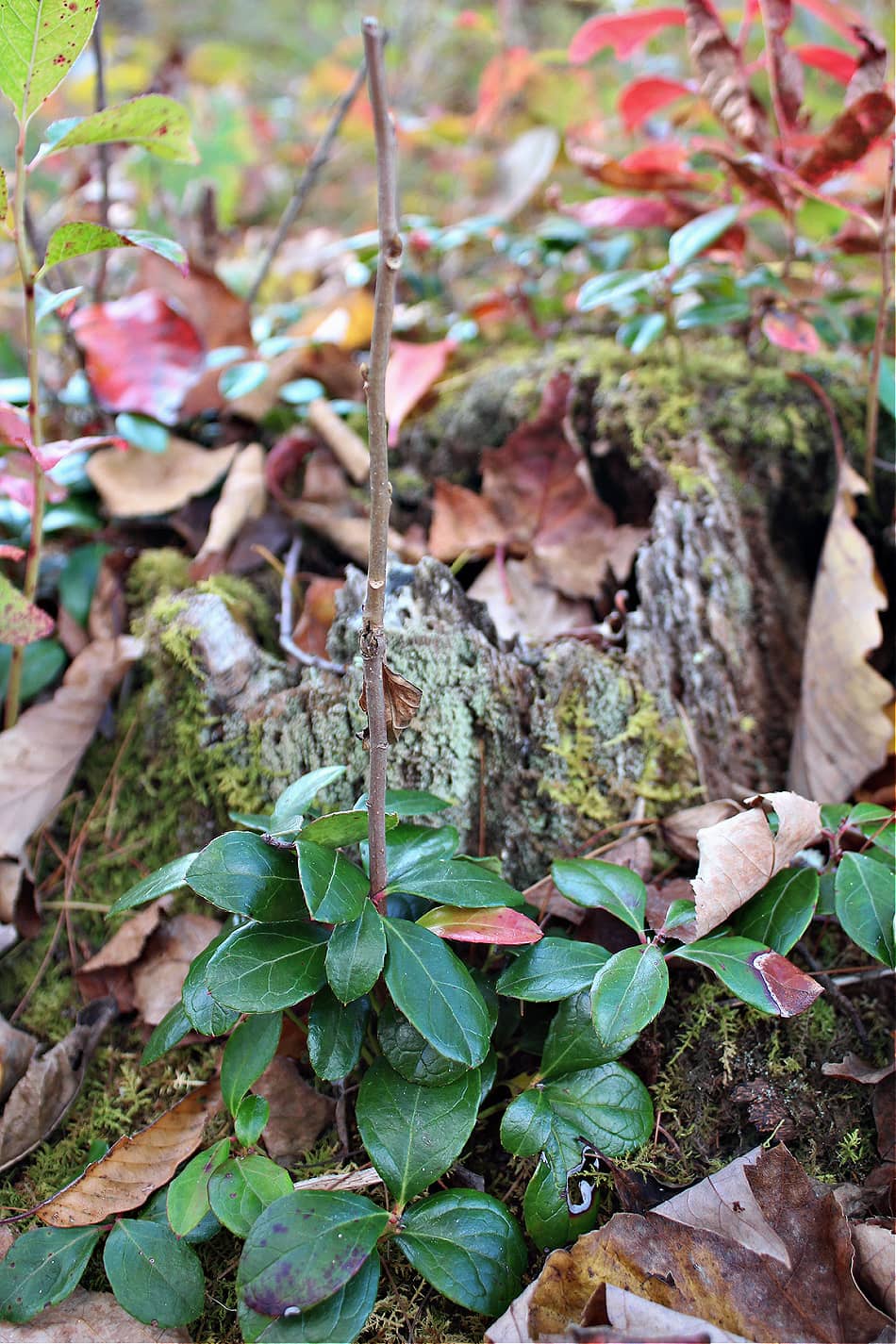
While winter is often considered a barren season for the herbalist, there is plenty of nature’s bounty to employ, especially where foraging for botanicals is concerned. Today, I’m sharing all about foraging wintergreen in winter, from how to identify and harvest it, to how to prepare it and use it.
Winter Foraging
When it comes to winter foraging, the cold months of the year are a perfect time for harvesting roots, bark, seeds, nuts, and berries from various plants.

Sign up for my seasonal email letters and download this Winter Foraging List for free!
CLICK HERE!
One plant available during winter is wintergreen (Gaultheria procumbens). Wintergreen is a low-growing ground cover high in volatile oils, which gives it that classic wintergreen flavor and scent commonly found in gum, toothpaste, and skin care products.
Wintergreen is a favorite of herbalists because it helps ease pain and inflammation of the joints and muscles, discourages bacterial infections from forming or spreading, and thins viscous mucous that has consolidated in the respiratory passages. While external preparations, such as infused oils, liniments, and salves, are common, it is also used internally in small amounts as a flavoring agent in teas and foods.
Although foragers harvest wintergreen year-round, winter is the ideal season for beginners to identify it since the berries are present, making a positive identification much more likely.
Foraging Best Practices
Before harvesting any plant, one should take some time to refresh themselves on foraging best practices. Below is a list of general guidelines to be mindful of when harvesting any plant.
- Get to know local plants, such as what’s abundant, at-risk, and endangered, and be aware of local foraging laws.
- Avoid foraging in polluted or toxic areas, such as roadsides, industrial sites, or land possibly sprayed with pesticides or herbicides.
- Get the land owner’s permission to harvest on private property.
- Positively identify plants before harvesting them.
- Take just enough plant material to use before the next harvest period, and never take more than ¼ of a plant stand or colony each season.
- Leave the foraging area as good as or better than you found it, by taking trash with you when you go and avoiding disturbing the habitat too much.
Foraging Wintergreen
If wintergreen is a plant a person decides to work with, they must first know where to find wintergreen in the wild and be able to positively identify the plant before ever thinking of harvesting or using it. Once identified, it’s essential to know how to forage wintergreen sustainably and prepare it for use.
Identifying Wintergreen
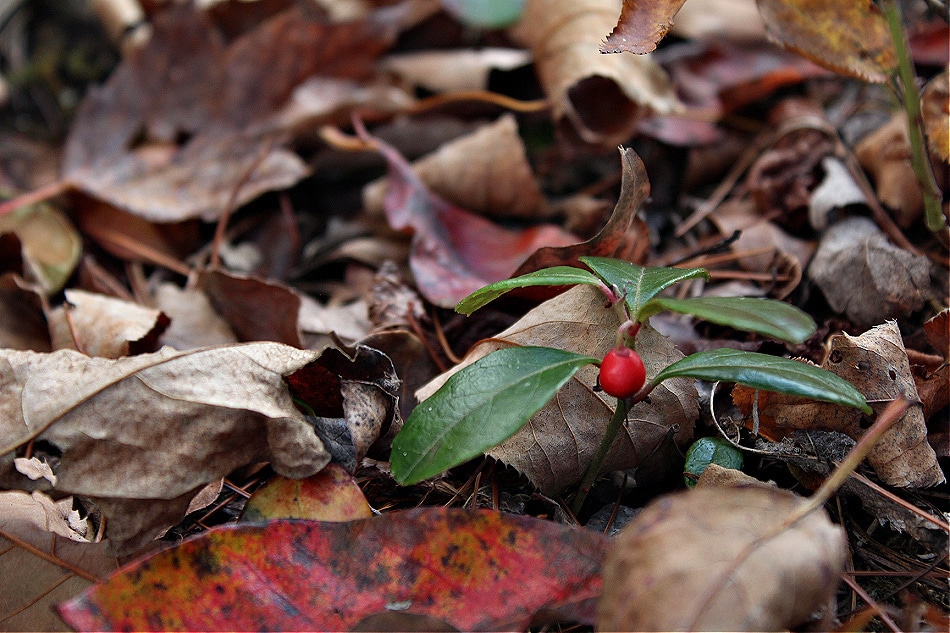
Before identifying wintergreen, it’s best to know where to locate it. Wintergreen flourishes in temperate regions of Eastern North America between growing zones 3-7. It prefers shady, moist, well-drained soil with an acidic pH and often grows around evergreens like mountain laurel and rhododendron.
If the location is correct, wintergreen can be spotted by looking for plants with the following characteristics.
- Height: 3-7 inch tall shrub/sub-shrub
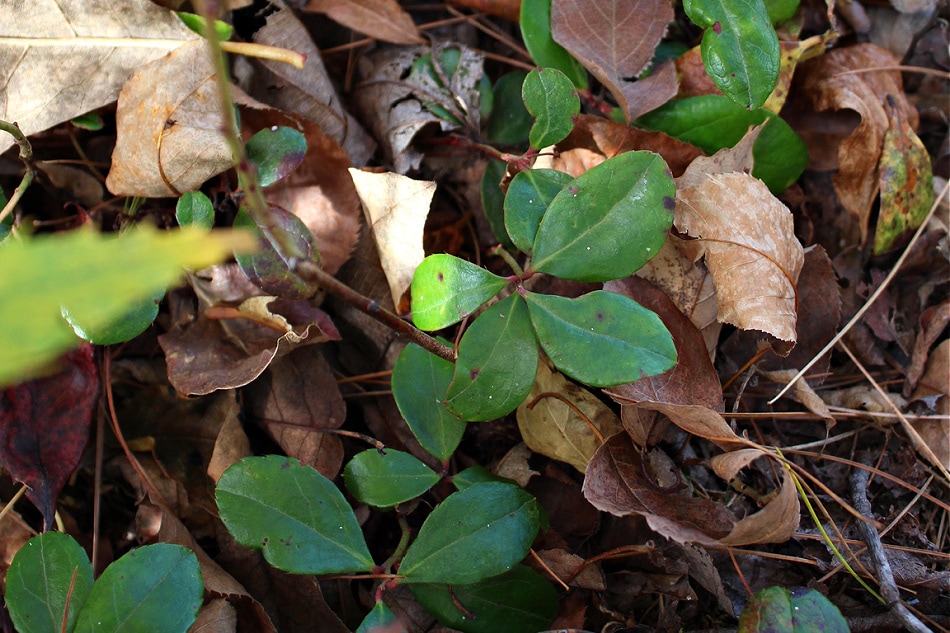
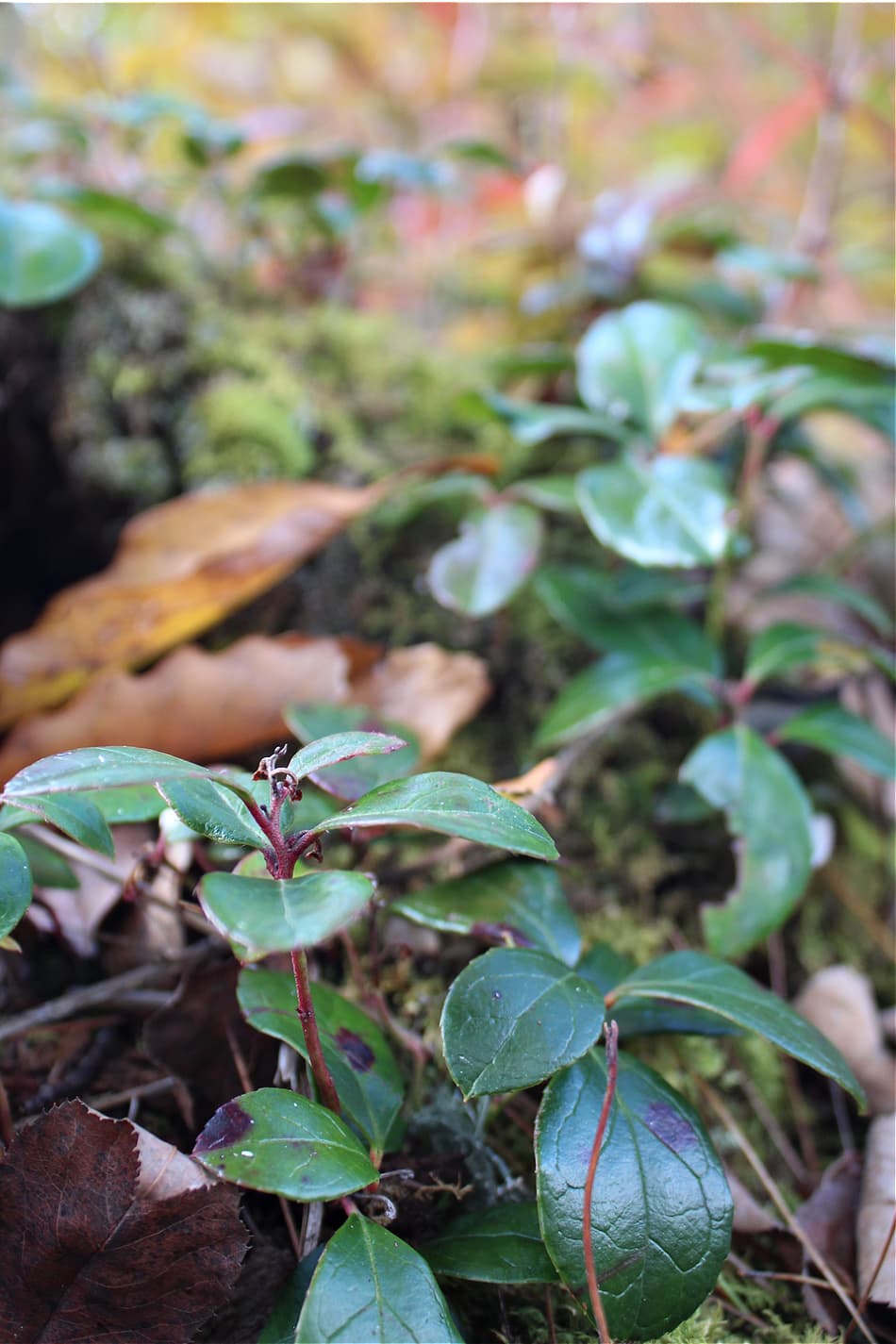
- Leaves: Simple leaf, located in an alternating pattern near the top of the stem, up to 2-inches long, thick and glossy, dark green color that turns red to bronze in the autumn, oval-shaped and slightly toothed toward the tip with a spine-like hair at each tooth, midrib vein running from the base to the tip of the leaf with pinnate secondary veins branching off of the midrib
- Flowers: Bloom approximately July-August, ¼-inch white to pink bell-shaped flowers that hang below leaves, waxy with scalloped edges, 1-3 flowers per plant
- Fruit: Round ¼-inch calyx (commonly referred to as a berry) replaces flowers, green in summer, turning red toward autumn
- Root: Underground rhizomes that trail just below the soil’s surface
- Aroma: Distinct minty scent typical to both leaves and berries
Note: Wintergreen and partridgeberry (Mitchell repens) are look-alike plants that are often mistaken for each other. While becoming familiar with the characteristics of each plant, particularly the leaves and berries, will make it easy to tell them apart, the easiest way to differentiate these two look-alike plants is their smell. Wintergreen has that minty aroma, and partridgeberry does not.
Harvesting Wintergreen
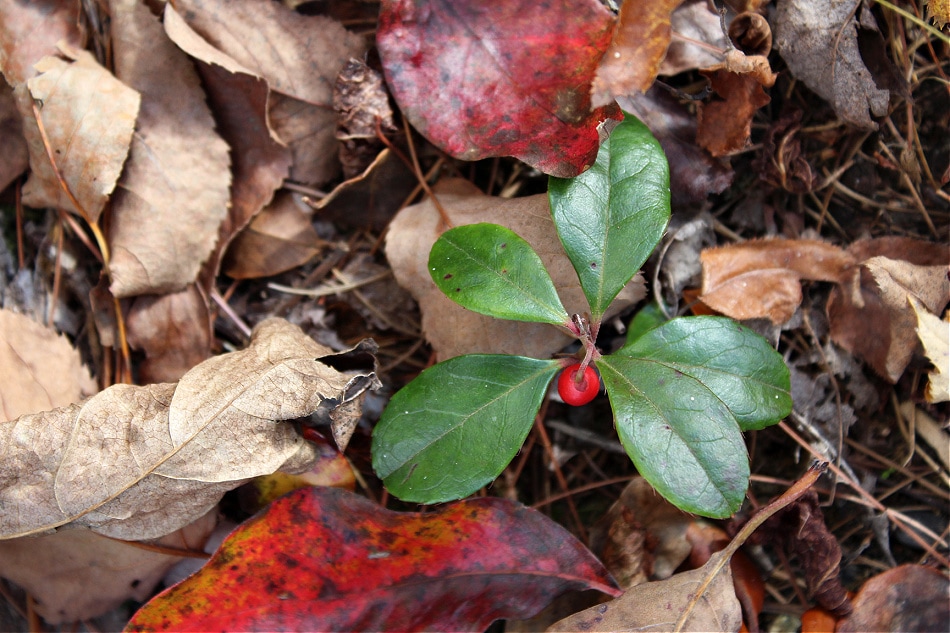
Wintergreen is a slow-growing perennial that spreads by shallow underground rhizomes, and it can take years to establish itself in any given location. Because it grows slowly, it’s vital to follow the best foraging practices mentioned above to sustainably harvest the plant and ensure no harm to the colony.
To harvest wintergreen, look over the colony and take note of healthy-looking plants. Pinch off the largest leaf from each stem or take one berry from each plant, following the ¼ harvesting guideline and only taking as much as will be used before the next harvest.
Preparing Wintergreen for Use
Once harvested, infuse fresh wintergreen leaves and berries in alcohol, such as vodka, to create an extract for flavoring foods and wellness purposes. Place the remaining leaves and berries in a paper bag, dehydrator, or on a drying screen to dry. Once dry, store the plant parts in a cool, dark location and use them within one year for maximum potency.
Embrace Winter’s Abundance
While winter may not be the herbalist’s busy harvest season, it still has a lot to offer us if we get quiet and pay attention. Wintergreen is one such gift.
You can learn even more about how to grow and use wintergreen over in the Herbarium from the Herbal Academy — one of my favorite plant resources on the web!
So tell me, have you ever harvested wintergreen? If so, what did you use it for?
Love and light,
Meagan