


It’s been three years since we moved to Wild Rose Cottage, and in that time I have crafted a number of gardens around my home. There are herbs scattered here and there throughout the garden beds, but these have been transplanted from the wild or a friend’s property or purchased from a local nursery.
Because I live out in the country, there’s very little opportunity to find organic herbs in nurseries or stores nearby, and if you can’t harvest these from the wild, all you’re left with when it comes to having organic herbs is starting them from seed.
However, I’m not great with starting plants from seeds indoors. I’ve tried starting vegetables plants from seeds many times over the years, and I’m either doing something wrong or simply stink at it.
In my mind, all I need is a greenhouse to successfully start plants from seed. While we have plans to add a greenhouse to our property at some point, that time isn’t now. Perhaps if I had the space for heating mats and grow lights in my house that would be enough, but alas, I don’t have space for that either.
Starting plants from seeds outdoors is no problem, but unfortunately, this makes for a late start on getting plants in the ground. What I’d really like to do is start them indoors and have them ready to be transplanted into the ground by mid-April. This way, I will be able to get more harvests from them throughout the growing season.
So what am I to do (or you to do if you can relate to my problem)?
Finding Easy-to-Grow Herbs from Seed
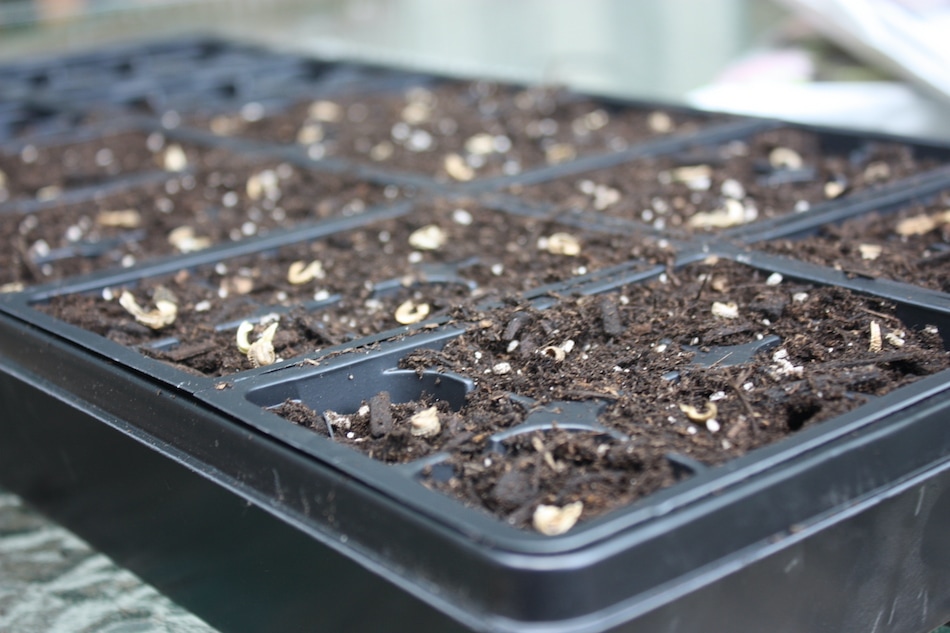
I suppose, starting with herbs that are easy-to-grow from seed is the first step in the right direction. After doing some digging on some gardening blogs and comparing what they all had in common, I came up with a list of 15 easy-to-grow herbs from seed to try this year.
Most of these herbs are culinary herbs, but that’s totally okay with me. I have dreams of growing a variety of culinary type herbs in containers on my patio. Yes they’ll all be small for the first few years, but think about what they’ll look like in 5 to 10 years (assuming I can keep them alive that long).
Imagine a large rosemary bush growing tall out of a terra cotta pot, surrounded by a large thyme cascading down the sides of its pot and a few smaller post of chives below that. Now on the other side of the patio you’ll find a lovely sage bush in a similar terra cotta pot with a pot of oregano spilling out to the left and some pots of dill and basil intermingled lower towards the ground.
Sounds lovely, right? So while there are some easy to grow medicinal herbs included in this list, I’m really loving the idea of staring with culinary herbs. Plus, culinary herbs can be used in cooking and medicine. They pack a lot of punch in the wellness department.
Okay so enough about culinary herbs. Let’s take a look at this list.
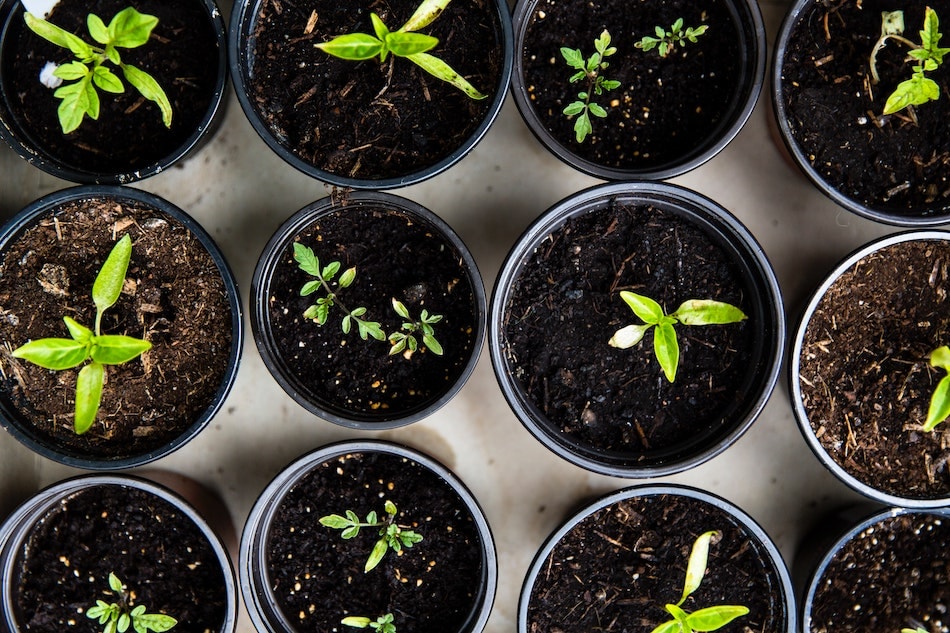
Easy-to-Grow Herbs from Seed
- Basil
- Burdock
- Calendula
- Chamomile
- Chives
- Cilantro
- Dill
- Lemon Balm
- Mint
- Oats
- Oregano
- Parsley
- Summer Savory
- Thyme
- Tulsi
I plan to purchase my seeds from either Strictly Medicinal Seeds or Baker Creek Heirloom Seeds. I’m sure there are many other high quality seed companies out there as well, but these are the two I know of. If you know of any others, let me know what they are in the comments below. I would prefer companies that offer organic or heirloom varieties.
Okay, so now that we have a list of easy-to-grow herbs from seed, let’s look at a few tips for growing seeds indoors.
Tips for Growing Seeds Indoors

Start seeds indoors 4-6 weeks before your last frost date.
Here in East Tennessee, that’s early- to mid-March as most plants are transferred outdoors around Easter (mid-April). Be sure to check when your frost date is supposed to be and count backwards from there.
Soak herb seeds for 12-24 hours before planting.
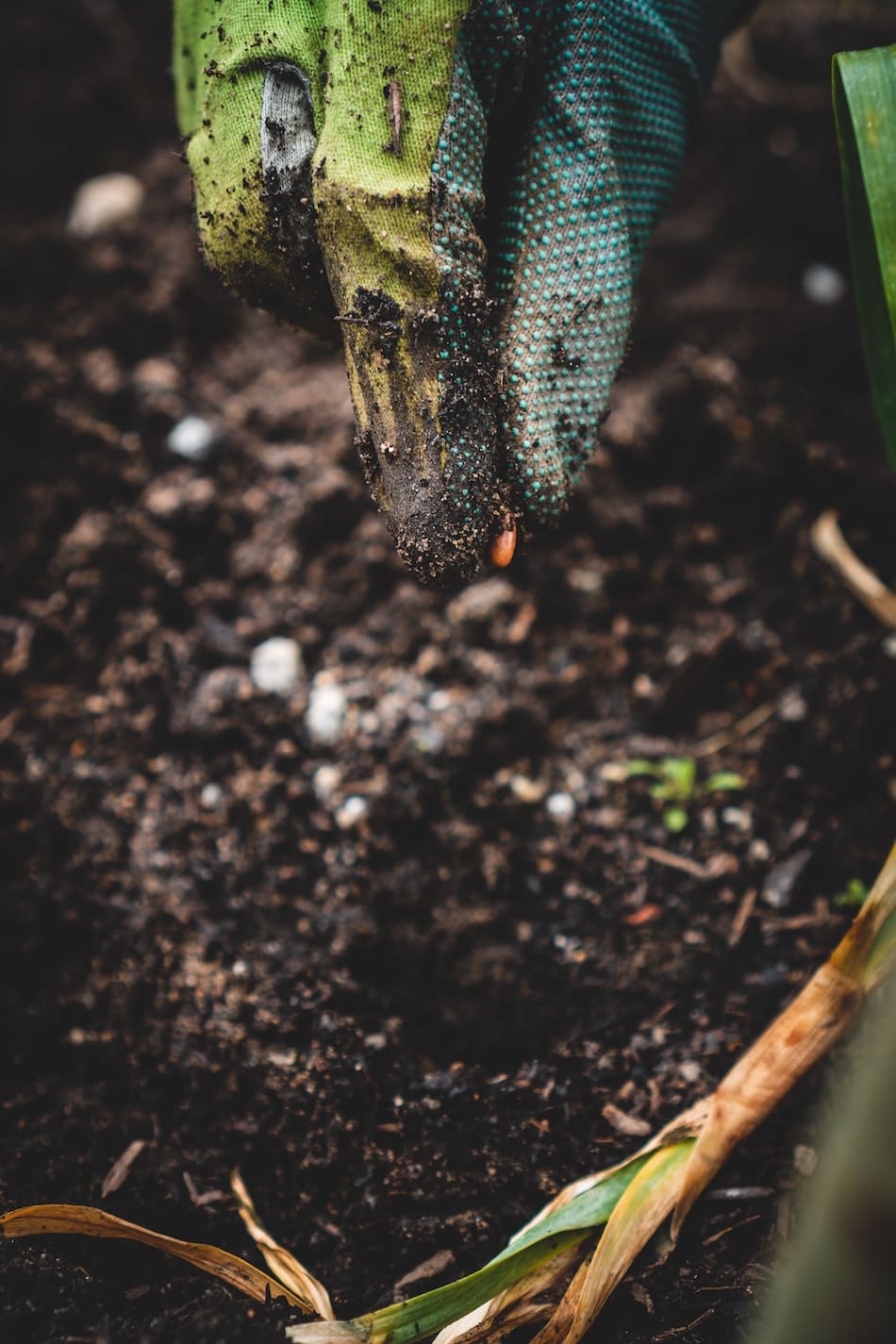
All seeds have a protective coating on them, and soaking them in water helps to dissolve this coating, making it easier for the seed to sprout. Sure, the seed soaking in the moist soil helps this to take place, but it can take a bit of time. Soaking seeds in a wet paper towel before transferring them to your potting soil or peat moss can give them a bit of a head start.
Keep them warm.
Seeds need to be between 65-75 degrees Fahrenheit to germinate. If it’s not warm enough in your house to reach this temperature, you can place your seed starting trays on heating mats. These are my favorite!
Give them plenty of light.
Sunlight is plant food, and plants need food to grow strong and healthy. It’s recommended to place your plant seed on top of the soil and then cover it with a thin layer of soil that is no deeper that the length of the seed. From there, experts recommend keeping seedlings near a window where the plant will get 4-6 hours of indirect light a day, turning the plant trays occasionally so they grow straight.
Don’t forget to label seeds!
Because I’m wanting to grow quite a few different culinary and medicinal herbs this year, I’ll be starting several different kinds of seeds. This means, I’ll have to be quite particular about knowing which plants are where in my seed starting trays. The easiest way I’ve labeled plants in the past has been with popsicle sticks.
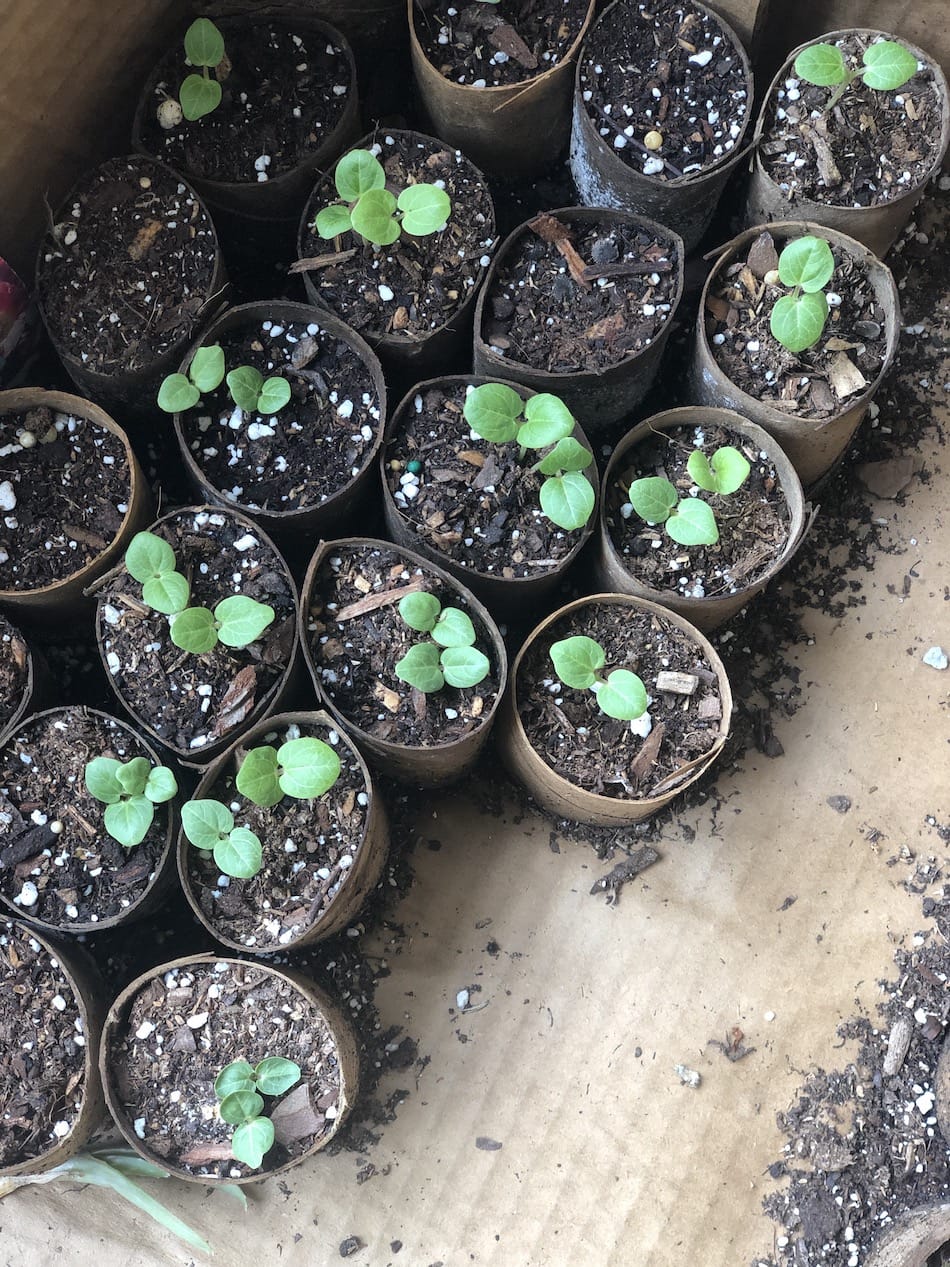
Maintain seedlings with water and plant food.
The soil your seeds are growing in should stay damp, not sopping wet. I think this may have been one area I’ve not keep up with in the past. My seed starting trays were either too wet or too dry and, of course, my plants suffered. Also, experts recommend watering seedlings with a bit of organic plant food added to the water after 3 weeks to give them some extra nourishment as most seed starting mixes or peat pellets lack nutrients. This organic all-purpose liquid fertilizer is the one I’m planning on buying and using this year.
Slowly harden plants off before transplanting outdoors.
The last tip I’ve see is to start taking your plants outside to “harden off” starting around week 4 or 5. This means placing the trays in the shade, near sunlight, placing them in direct sunlight on overcast days, and ultimately, working them up to longer periods of direct light. Not only does this help to toughen their leaves (aka, their skin) to the harsher sunlight, but being exposed to gentle breezes and wind can help to strengthen their stems as well.
Moving seeds outdoors at 6 weeks.
Once your 6 week indoor growing period is up, you can transplant your seedlings outdoors. I like to add some nutrient rich potting soil, mushroom compost, or other such goodies to the soil before moving my peat pellet or plug to the container or ground. Water well, firm up the soil around the plant, and let nature do its thing.
Ready to Start Some Seeds With Me?
Okay, so I don’t know about you, but I’m ready to start some seeds this year and see how this goes. This will be my first time doing it at our home here at Wild Rose Cottage, and I’m hoping I have great success so my dream of a culinary container herb garden on my patio can come true sooner than later.
Are you planning to start seeds indoors this year? If so, I’d love to know what you’re growing and if you have any other tips to share with me that I’ve not already mentioned above. I need all the help I can get!
Love and light,
Meagan